A Day on Lake Lanier: Fun, Food, and a Reminder That Boating Laws Are No Joke
A Day On The Lake Can Turn From Simple Fun To Serious Trouble
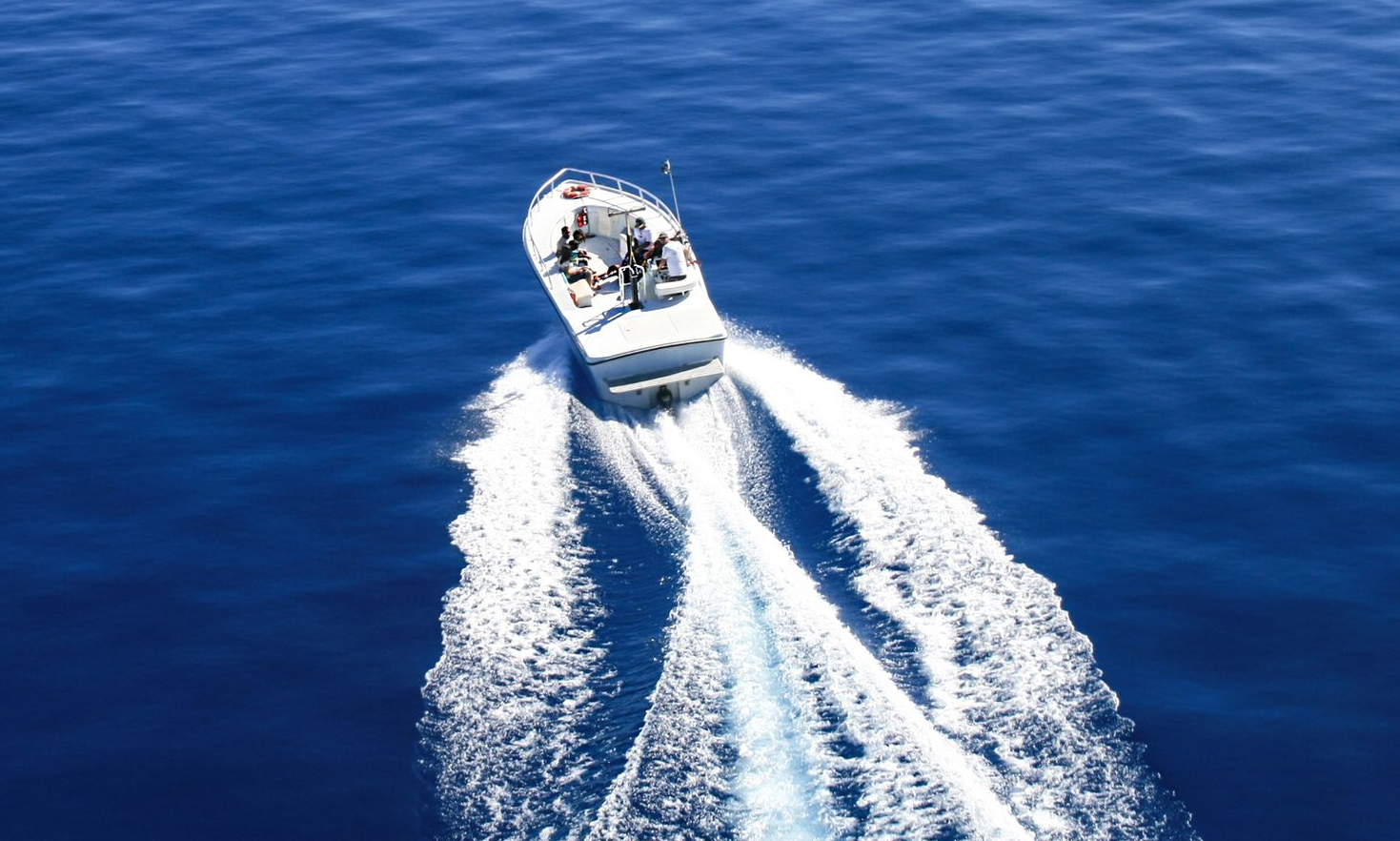
Recently, the team at Gaskill, Bell & Preston traded the courtroom for the open water as we spent the afternoon out on beautiful Lake Lanier. It was one of those perfect Georgia summer days — blue skies, a warm breeze, and just enough chop on the water to keep things interesting. We hopped in the boat and headed out for a fun afternoon. Days like these remind us why we love living and working in this part of Georgia, where a world-class lake is practically in our backyard.
Our destination was Pelican Pete’s, a beloved lakeside spot right on the water. After a scenic cruise across the lake, we pulled up to the dock, grabbed a table on the water, and enjoyed a fantastic lunch. Whether it was the food, the company, or simply the joy of being unplugged from the office for a few hours, everything tasted a little better with the lake as our backdrop. If you haven’t made the trip to Pelican Pete’s by boat, it is worth adding to your summer bucket list. The atmosphere alone makes the journey worthwhile.
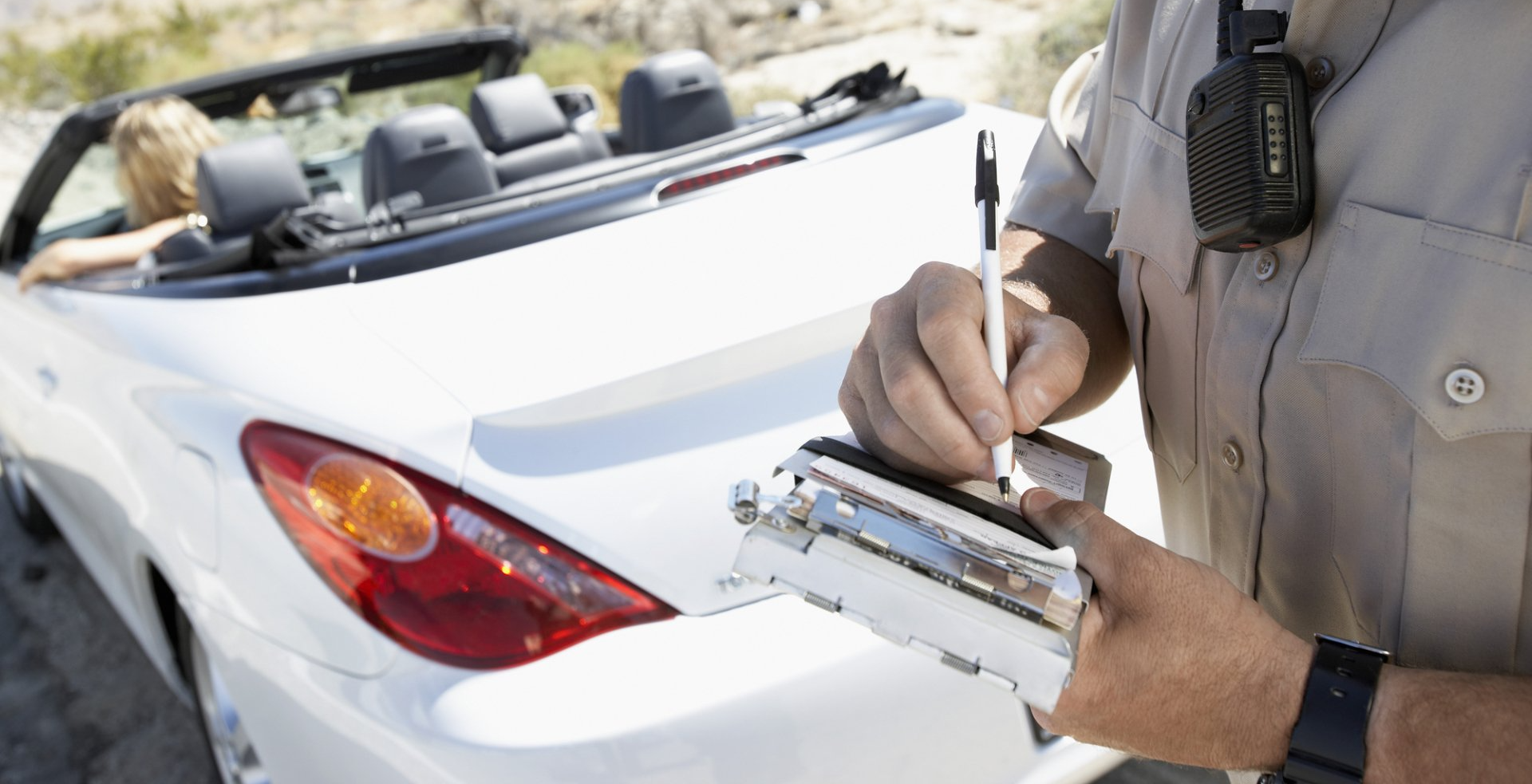
As we headed back out after lunch, something caught our attention that turned the afternoon into an unplanned legal teaching moment. A nearby boater had been pulled over by law enforcement on the water, and officers were conducting field sobriety tests right on the boat. Officers frequently patrol the water outside Pete’s and stop boaters to check for alcohol impairment after visiting Pete’s. Amongst us lawyers, the conversation quickly turned to “wait, what are his rights here?” It is one of those moments when you realize that the law follows you everywhere — even onto the lake.
Geogia Boating Under The Influence Laws
Georgia takes boating under the influence (BUI) seriously, and under O.C.G.A. § 52-7-12, it is illegal to operate a vessel on Georgia waters while under the influence of alcohol or drugs to the extent that it is less safe to do so, or with a blood alcohol concentration (BAC) of 0.08 grams or more. What many boaters don’t realize, however, is how Georgia’s implied consent law applies on the water. Under Georgia’s implied consent statute, anyone who operates a vessel on state waters is deemed to have consented to a chemical test — such as a blood, breath, or urine test.
That said, field sobriety tests (FSTs) are a different matter. Unlike the chemical test triggered by a lawful arrest, field sobriety tests are considered voluntary. A boater who is asked to perform roadside-style sobriety exercises — such as walking a line, standing on one leg, or following an officer’s finger with their eyes — generally has the right to decline those tests without automatic legal penalty. Refusing a field sobriety test cannot, by itself, be used as proof of guilt, though an officer may still form probable cause for arrest based on other observations. Field sobriety tests are particularly problematic on a floating boat, where waves and the natural rocking of a boat make the field sobriety tests even more unreliable.
It’s also worth addressing a question we hear from boating clients: can law enforcement stop your boat in the first place, even if you haven’t done anything wrong? The short answer is yes.
Under Georgia law, law enforcement officers — including Georgia DNR Wildlife Rangers and other authorized marine patrol officers — have broad authority to board and inspect a vessel for safety compliance at any time while the vessel is underway. On the water, a “safety inspection” stop is entirely lawful, and officers may check for required safety equipment such as life jackets, fire extinguishers, navigation lights, and registration. What began as a safety check can quickly escalate if officers observe signs of impairment, so boaters should always be prepared for the possibility of a stop.
Know Your Boating Rights Before Getting On The Water
The broader takeaway from what we witnessed is one that applies both on and off the water: knowing your rights does matter and so does exercising good judgment. If you are ever stopped by law enforcement while boating, remain calm and cooperative with respect to safety equipment inspections. However, if officers begin asking you to perform field sobriety tests or making inquiries that suggest you may be the subject of a BUI investigation, you are well within your rights to politely decline FSTs and to ask whether you are free to go or under arrest.
We had a wonderful day on Lake Lanier, and we came back to the office with full stomachs, a little sun on our faces, and a fresh reminder of just how much our clients can benefit from understanding the laws that govern their everyday lives — including their days off. If you have questions about BUI defense, boating regulations, or your rights on Georgia’s waterways, the attorneys at Gaskill, Bell & Preston are here to help. Now if you’ll excuse us, we’re already looking forward to the next trip to Pelican Pete’s.
Gaskill, Bell & Preston Can Assist With BUIs on Lake Lanier
Chip Gaskill is the Managing Member of Gaskill, Bell & Preston. He lives on Lake Lanier and frequently boats on the Lake and is ready to assist clients with potential boating related issues, whether BUI issues or legal issues that might arise from a boating accident on the Lake. At Gaskill, Bell & Preston, we protect your rights at every turn. Contact us to learn more about how we help can assist you if you are facing a BUI.
The content of this blog is intended for general informational purposes only and does not constitute legal advice. For advice specific to your situation, please contact our office to speak with one of our attorneys.